
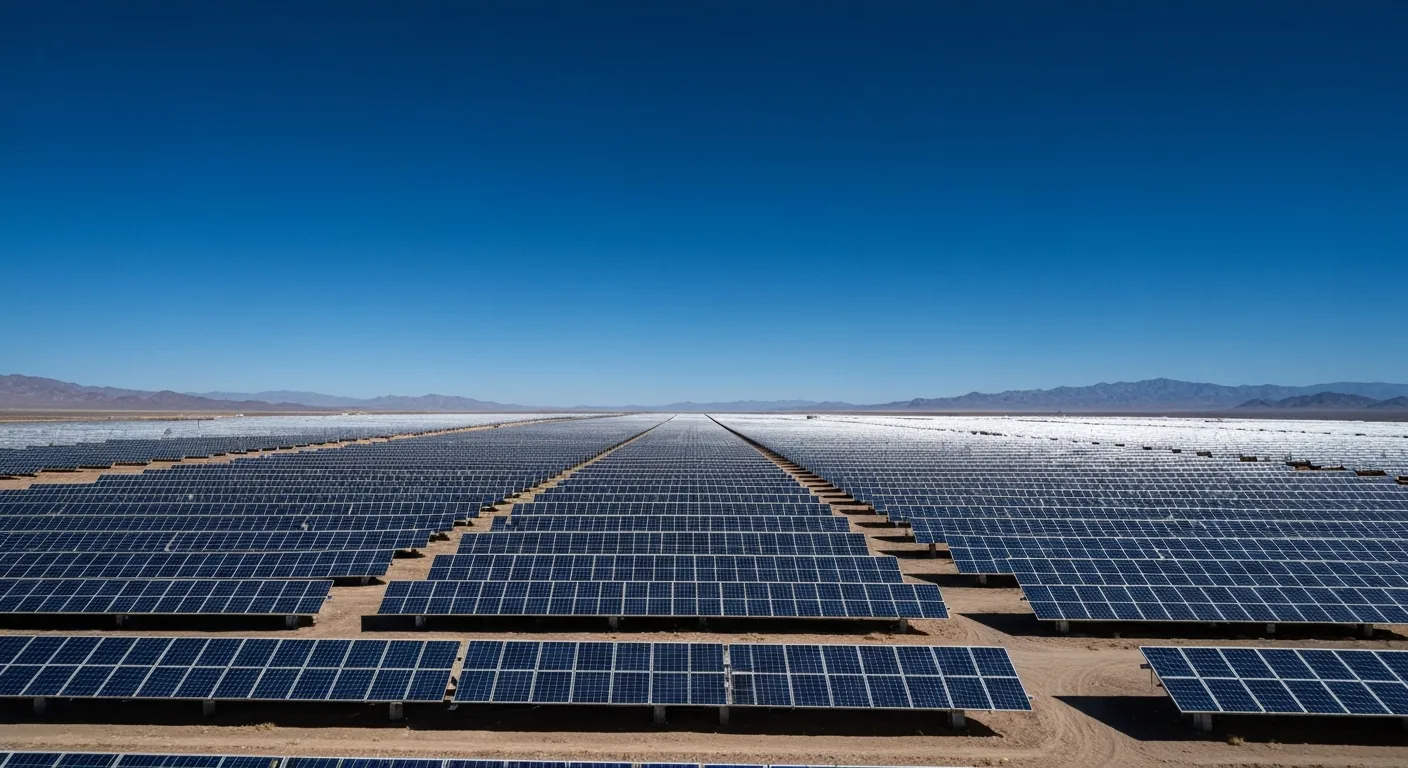
Few local stories have generated as much attention in our area as the Silfab Solar Fort Mill facility. If you have driven through the Gold Hill Road corridor, talked to neighbors, or searched for the latest news, you have probably run into a mix of strong opinions and not much plain, organized fact. My goal with this post is simple: give you a clear, non-partisan rundown of where the Silfab Solar Fort Mill situation actually stands as of June 2026, with dates and sources, so you can form your own view.
I am a real estate agent, not an advocate for either side here. Plenty of buyers relocating to the Fort Mill and Indian Land area ask me about it, so I think the most useful thing I can do is lay out the timeline, the legal fights, the chemical incidents, and the current status, and let you decide what it means for you. I have linked the primary sources, including the state environmental agency and the company, so you can read the originals.
12 min read | By Steve Jarrell, The Longleaf Group at eXp Realty | Updated August 2026
No pressure. Just a conversation.
Planning a move to Fort Mill, SC? I’d love to help you weigh the local factors.
Book a Free 15-Min Chat with Steve →What This Guide Covers
- What Silfab Solar is and what the Fort Mill facility does
- How we got here: a Silfab Solar Fort Mill timeline
- The zoning dispute and the lawsuits
- The March 2026 chemical incidents and the state response
- Where things stand now (June 2026)
- What it means if you are looking at homes near Fort Mill
- Frequently asked questions
The Short Answer
Silfab Solar’s Fort Mill facility is operating, and two chemical incidents in early March 2026 put it back in front of York County residents. Organized opposition continues through a local nonprofit, and the county and state agencies have the reporting record. This is a summary of what has actually been documented, not an argument for either side.
Where things stand:
- On March 3, 2026, around 9:45 a.m., an accidental release of roughly 300 gallons of water containing potassium hydroxide reached an on-site stormwater retention pond
- Silfab said the released solution was highly diluted — around 0.03% potassium hydroxide — and posed only a slight risk of irritation
- On March 5, 2026, around 6:00 a.m., a hydrofluoric acid leak was reported
- The most organized opposition comes from the Citizens Alliance for Government Integrity, a nonprofit that says it represents more than 8,000 York County residents
Silfab Solar Fort Mill at a Glance
As of June 2026, the Silfab Solar facility on the Gold Hill Road corridor in Fort Mill is operating while a zoning dispute, related lawsuits, and the fallout from two March 2026 chemical incidents and the state response remain unresolved. Both the company and community opponents have active positions, and no final ruling has settled the matter. If you are looking at homes near Fort Mill, the situation is worth understanding but it has not stopped the area market, and I walk buyers through exactly what is and is not known so they can decide for themselves.
What Silfab Solar Is and What the Fort Mill Facility Does
Silfab Solar Inc. is a solar manufacturer headquartered in Mississauga, Ontario, Canada. The company makes solar photovoltaic modules and cells, the panels that convert sunlight into electricity. The Silfab Solar Fort Mill facility, located off Logistics Lane near Gold Hill Road in York County, South Carolina, is one of its U.S. manufacturing operations and the heart of the Silfab Solar Fort Mill story.
According to Silfab’s own announcement, the project represented a roughly 150 million dollar capital investment and was expected to create about 800 jobs, which is part of why state and county economic-development officials supported it. In November 2024, the company announced it had raised an additional 100 million dollars in financing specifically to scale up cell manufacturing at the site. You can read the company’s framing on the official Silfab Solar York County announcement.
The reason the Silfab Solar Fort Mill plant became controversial comes down to two things: where it sits and what it uses. The facility is near several schools, and solar-cell manufacturing involves industrial chemicals, including hydrofluoric acid and potassium hydroxide. Supporters point to jobs, investment, and American-made clean energy. Opponents point to chemical risk near schools and questions about how the project was permitted. Both threads run through everything below.
How We Got Here: A Silfab Solar Fort Mill Timeline
The Silfab Solar Fort Mill project moved quickly, which is part of why it drew scrutiny. Here is the sequence, kept to documented dates.
In 2023, Silfab announced plans for the Fort Mill operation. On March 20, 2023, the York County Council approved rezoning the property from Light Industrial to Office/Institutional. On June 5, 2023, the company filed a construction permit application with the state Bureau of Air Quality to build and operate the facility, including process areas and chemical storage tanks for substances such as hydrofluoric acid and hydrochloric acid.
Assembly operations at the Silfab Solar Fort Mill site began around October 2025. The full manufacturing process, the part that uses the regulated chemicals, had not fully ramped before the events of early 2026 paused it. So when you read about Silfab Solar Fort Mill operations starting, stopping, and restarting, it helps to separate two activities: panel assembly, which does not rely on the most hazardous chemicals, and cell manufacturing, which does.
The Zoning Dispute and the Lawsuits
The core legal question in the Silfab Solar Fort Mill dispute is whether solar manufacturing was ever a permitted use at this location. After the rezoning to Office/Institutional, the York County Board of Zoning Appeals ruled that solar manufacturing is not allowed in that zoning category, which appeared to conflict with an earlier county compliance verification. Opponents argue the county kept issuing permits for a use its own appeals board had said was prohibited. The county has defended its permitting decisions on the Silfab Solar Fort Mill site.
The most organized opposition comes from the Citizens Alliance for Government Integrity, a nonprofit that says it represents more than 8,000 York County residents. Their stated concerns center on the Silfab Solar Fort Mill facility’s proximity to Catawba Ridge High School and Flint Hill Elementary School, with a new Flint Hill Middle School set to open in August 2026, along with the chemicals involved in manufacturing.
On the Silfab Solar Fort Mill litigation, the picture is mixed and still moving. In late January 2026, a York County circuit court dismissed a resident-led zoning challenge, with the judge ruling the plaintiff lacked legal standing and had not exhausted administrative remedies. The clean-energy trade outlet pv magazine covered the dismissal of the challenge to the facility. That was a win for the county and the company.
The opponents have not stopped. In May 2026, the Citizens Alliance for Government Integrity filed a petition asking the U.S. Supreme Court to review York County’s permitting of the project, arguing the case raises constitutional land-use questions. The group has said it will continue parallel litigation in South Carolina courts regardless of the federal petition. Local station WRHI reported on the group taking the permit fight to the U.S. Supreme Court.
There is also a separate layer of business litigation that is unrelated to the environmental fight. Several contractors have sued Silfab over unpaid work, including claims filed in spring 2026 by piping and HVAC firms, with public records pointing to multiple mechanics liens tied to the project. And a former employee, Jason Rhoades, filed a whistleblower lawsuit in mid-2025 alleging he was terminated after reporting issues such as occupancy-permit and safety concerns. Silfab has contested those claims in court. The Charleston Post and Courier has tracked the ongoing Silfab Solar Fort Mill court filings.
 |
Free · 26-Page Insider Guide Which South Charlotte Town Is Right for You? Towns, villages, and cities compared, NC vs SC taxes and schools, and the 5 mistakes out-of-state buyers make. Everything you’d want a local to tell you before you move. Get the free guide → |
Curious about buying or selling in Fort Mill, SC?
It’s free, it’s 15 minutes, and Steve actually picks up.
Grab 15 Minutes with Steve →The March 2026 Chemical Incidents and the State Response
The Silfab Solar Fort Mill story escalated in March 2026 with two chemical incidents days apart, which is what pushed the Silfab Solar Fort Mill facility into statewide headlines.
On March 3, 2026, at around 9:45 a.m., the facility had an accidental release of roughly 300 gallons of water containing potassium hydroxide, which reached an on-site stormwater retention pond. Some initial reports cited a larger volume that was later revised down. Silfab said the released solution was highly diluted, around 0.03% potassium hydroxide, and posed only a slight risk of irritation.
Then on March 5, 2026, around 6:00 a.m., a hydrofluoric acid leak was reported. Silfab described it as a minor drip, on the order of about one drop per hour from a holding tank, that was contained within secondary containment. York County Emergency Management said the leak was contained and posed no threat to public safety. Out of caution, Flint Hill Elementary School closed for two days. Hydrofluoric acid is a highly corrosive, extremely hazardous substance, which is exactly why even a small leak drew a serious response.
The state acted on the Silfab Solar Fort Mill incidents the same day. On March 5, 2026, the South Carolina Department of Environmental Services issued a total stop order directing Silfab to cease operations, and the company agreed to pause pending assessments by the state and the U.S. Environmental Protection Agency. You can read the state’s own page on the matter from the South Carolina Department of Environmental Services Silfab Solar project page.
After on-site assessments, regulators allowed a partial restart. On March 9, 2026, assembly operations resumed once the state and an EPA inspector found no indication that those specific operations needed to stay paused, because panel assembly does not use the chemicals regulated under the EPA’s Risk Management Program. The chemical-using manufacturing remained stopped. On March 16, 2026, Silfab entered a formal compliance agreement with the state that required retaining a professional engineer to evaluate its chemical systems and to promptly report any future leaks.
Elected officials weighed in on the Silfab Solar Fort Mill incidents. U.S. Representative Ralph Norman requested that the EPA conduct a thorough audit of the facility, and South Carolina Attorney General Alan Wilson said his office was reviewing the reports and that community safety was a priority. Supporters note that state and federal inspectors permitted assembly to resume and characterized the incidents as contained; opponents counter that two incidents in three days near schools is exactly what they had warned about.
Where Things Stand Now (June 2026)
As of June 2026, the Silfab Solar Fort Mill facility is operating in a partial capacity under heightened scrutiny, with several legal tracks unresolved. Here is the current Silfab Solar Fort Mill snapshot.
On the company side, Silfab announced on June 3, 2026, that it received a Renewable Energy Test Center High Achiever award for its U.S.-made photovoltaic modules, which the company points to as evidence of product quality. Silfab has continued posting public notices and statements about its operations and compliance work.
On the opposition side, the Citizens Alliance for Government Integrity’s U.S. Supreme Court petition is pending, and the group has signaled it will keep pressing its state-court claims. The contractor and whistleblower lawsuits against Silfab Solar Fort Mill remain active and separate from the zoning and environmental questions. In short, the underlying legal fight over whether the Silfab Solar Fort Mill plant was properly permitted is not settled, even though the early resident challenge was dismissed.
What is genuinely resolved at this point is narrow: state and federal inspectors allowed assembly to resume after the March incidents, and Silfab is operating under a compliance agreement with the state. What is not resolved is the bigger zoning question now before the courts, the pending litigation, and the long-term question of full chemical-using manufacturing at the site. Expect this to keep moving, which is why I will update this page as the Silfab Solar Fort Mill story develops.
What It Means If You Are Looking at Homes Near Fort Mill
Here is where I can actually be useful as a local agent, without taking a side. If you are house hunting in the Fort Mill and Indian Land area, the Silfab Solar Fort Mill facility is one factor among many in the area, and how much it matters depends entirely on you.
A few practical points. First, the facility is in a specific part of York County near the Gold Hill Road corridor, so its proximity varies a lot by neighborhood. If it is a concern for you, I can show you exactly how close any given home is and which schools fall in that area. Second, this is a documented, public issue, which cuts both ways: it is easy to research, and the regulatory and legal scrutiny is on the record. Third, Fort Mill remains one of the most in-demand relocation markets in our region for reasons that have nothing to do with this story, mainly its schools, location, and South Carolina tax treatment.
My job is to make sure you have the full picture before you buy, not to talk you toward or away from any area. If you want to dig deeper into the fundamentals, I have separate guides on Fort Mill SC schools and the cost of living in Fort Mill SC, and my buyer resources walk through how I help relocating buyers weigh exactly these kinds of local factors. You can always reach out directly if you want a straight answer about a specific street or community.
Frequently Asked Questions About Silfab Solar Fort Mill
What does the Silfab Solar Fort Mill facility make?
Silfab Solar is a Canada-headquartered manufacturer that produces solar photovoltaic modules and cells, the panels used to generate electricity from sunlight. Its Fort Mill facility in York County, South Carolina, was announced as a roughly 150 million dollar investment expected to create about 800 jobs.
What happened with the chemical spills at Silfab Solar in Fort Mill?
In March 2026 the facility had two incidents days apart: a potassium hydroxide release on March 3 that reached an on-site stormwater pond, and a small hydrofluoric acid leak reported March 5 that the county said was contained. The state ordered a stop to operations, and a nearby elementary school closed for two days as a precaution. Assembly later resumed after state and EPA assessments, while chemical manufacturing stayed paused under a compliance agreement.
Is the Silfab Solar Fort Mill plant near schools?
Yes. Opponents have emphasized the facility’s location near Catawba Ridge High School and Flint Hill Elementary School, with a new Flint Hill Middle School scheduled to open in August 2026. Proximity to these schools is a central reason the project has drawn organized opposition.
Is Silfab Solar shut down in Fort Mill?
Not fully. After the March 2026 stop order, state and federal inspectors allowed panel assembly to resume on March 9 because it does not use the most hazardous regulated chemicals, while full chemical-using manufacturing remained paused pending further review. As of June 2026 the plant is operating in a partial capacity under a state compliance agreement.
What is the lawsuit about Silfab Solar in Fort Mill?
There are several. The central one concerns zoning: opponents argue the county permitted a use its own Board of Zoning Appeals had ruled prohibited. An early resident lawsuit was dismissed in January 2026, and the Citizens Alliance for Government Integrity has since petitioned the U.S. Supreme Court while continuing state-court litigation. Separately, contractors have sued over unpaid work and a former employee filed a whistleblower suit.
Should the Silfab Solar Fort Mill situation affect where I buy a home?
That is a personal decision. The facility’s relevance depends on how close a given home is and how you weigh an ongoing, well-documented local issue. Fort Mill stays in high demand for its schools, location, and South Carolina tax treatment. A local agent can show you exactly how close any specific home is and help you factor it in objectively.
About the Author
I am Steve Jarrell, a REALTOR with The Longleaf Group at eXp Realty. I live in Weddington and work across South Charlotte and the South Carolina border towns, including Fort Mill and Indian Land, so the Silfab Solar Fort Mill story comes up often with relocating buyers. I keep posts like this strictly factual because my job is to give you the information to decide for yourself, not to push a narrative. Before real estate I spent a decade building marketing technology for agents nationwide, which is where I learned to value sourced facts over hype.
If you want help understanding how a specific home or neighborhood relates to anything in this article, reach me directly at 704-774-7170 or steve@jarrellhomes.com, or learn more at thelongleafgroup.com. I am glad to give you a straight, no-pressure read on the Fort Mill market.
Quick call. Real answers.
Ready to make Fort Mill, SC home? Let’s figure it out together.
Book a Free 15-Min Chat with Steve →