If you are weighing a move to the South Carolina side of the Charlotte line, the first real question is rarely about the schools or the commute. It is about money. Specifically, what does it actually take to live here, month after month, once the moving truck is gone? That is exactly what this guide answers, line by line. The cost of living in Indian Land SC is more predictable than most buyers expect once you see the pieces. I am going to walk you through the true cost of living in Indian Land SC for 2026, using current numbers and naming the tradeoffs most relocation articles skip right past.
I work both sides of the North Carolina and South Carolina border every week, so I see how buyers actually run these numbers when they are deciding between a home in South Charlotte and one a few miles south in the Lancaster County panhandle. The cost of living in Indian Land SC is not a single sticker price. It is a stack of decisions: the home you buy, the property tax structure that comes with it, the income tax you pay each April, your utilities, your HOA dues, and what your daily drive into Charlotte costs you in time and tolls.
Let us add up the full cost of living in Indian Land SC so you can budget with real figures, not guesses.
17 min read | By Steve Jarrell, The Longleaf Group at eXp Realty | Updated August 2026
What This Guide Covers
- The Short Answer: What Does It Cost to Live in Indian Land SC?
- Housing: The Single Biggest Line in the Cost of Living in Indian Land SC
- Property Taxes: The 4% Primary-Residence Advantage
- The Income Tax Tradeoff: Where SC Can Cost High Earners More
- Utilities, Groceries, and the Everyday Cost of Living in Indian Land SC
- HOA Dues and New-Construction Costs
- The Commute: US-521, I-77, and What the Drive Costs
- Who Indian Land Fits on Cost (and Who It Does Not)
- Frequently Asked Questions
- About the Author
The Short Answer
A household moving to Indian Land in 2026 should budget around a $516,990 median home price, an effective property tax rate near 0.49% of value, and South Carolina income tax that starts at 1.99%. Everyday goods run below the national average; housing is the swing factor. The 4% owner-occupied assessment ratio is what makes the tax bill land where it does.
Key numbers right now:
- Median home price: about $516,990, putting Indian Land squarely in the mid-$500,000s
- Effective property tax rate near 0.49% for 2026 — less than half the national average in many comparisons
- South Carolina assesses an owner-occupied primary residence at a 4% ratio; non-primary and investment property at 6%
- State income tax runs 1.99% on the first $30,000
- Everyday goods in greater Lancaster County run roughly 10% below the national average
- Zillow had home values down about 3.0% year over year as of late April 2026; custom homes and larger lots push past $700,000
The Short Answer: What Does It Cost to Live in Indian Land SC?
The short answer: a household moving to Indian Land in 2026 should budget around a $516,990 median home price, an effective property tax rate near 0.49% of value (well below the national norm), and South Carolina income tax that runs 1.99% on the first $30,000 of taxable income and 5.21% above that. The overall cost of living in Indian Land SC lands close to the national average, roughly 10% below it for everyday goods in greater Lancaster County, with housing as the swing factor. Property taxes are the standout savings in the cost of living in Indian Land SC; income tax can be a wash or even a slight premium versus North Carolina for higher earners.
Put simply, the cost of living in Indian Land SC is driven by what you pay for the house and softened by South Carolina’s low property tax treatment on a primary residence. A buyer purchasing at the median can expect a real, all-in monthly cost that is competitive with comparable South Charlotte addresses, and in many cases lower on the tax line. The sections below break each piece down with sourced 2026 figures so you can model your own budget instead of relying on a generic calculator.
No pressure. Just a conversation.
Want the real cost math for your move to Indian Land, SC? I’d love to help.
Book a Free 15-Min Chat with Steve →704-774-7170 | steve@jarrellhomes.com | thelongleafgroup.com
A lot of the inventory here is brand new, and I covered what the builders are actually charging in new construction in Indian Land.
Housing: The Single Biggest Line in the Cost of Living in Indian Land SC
Housing is the heaviest line item in the cost of living in Indian Land SC, and it is the number that moves the most. Get the home price right and the rest of the cost of living in Indian Land SC falls into a manageable range. As of spring 2026, the median home sale price in Indian Land sat around $516,990, with Zillow reporting an average home value near $534,962 and Realtor.com listing a median list price of about $535,000. Those figures put Indian Land squarely in the mid-$500,000s, which is a meaningful discount to many comparable South Charlotte neighborhoods for similar square footage and finishes.
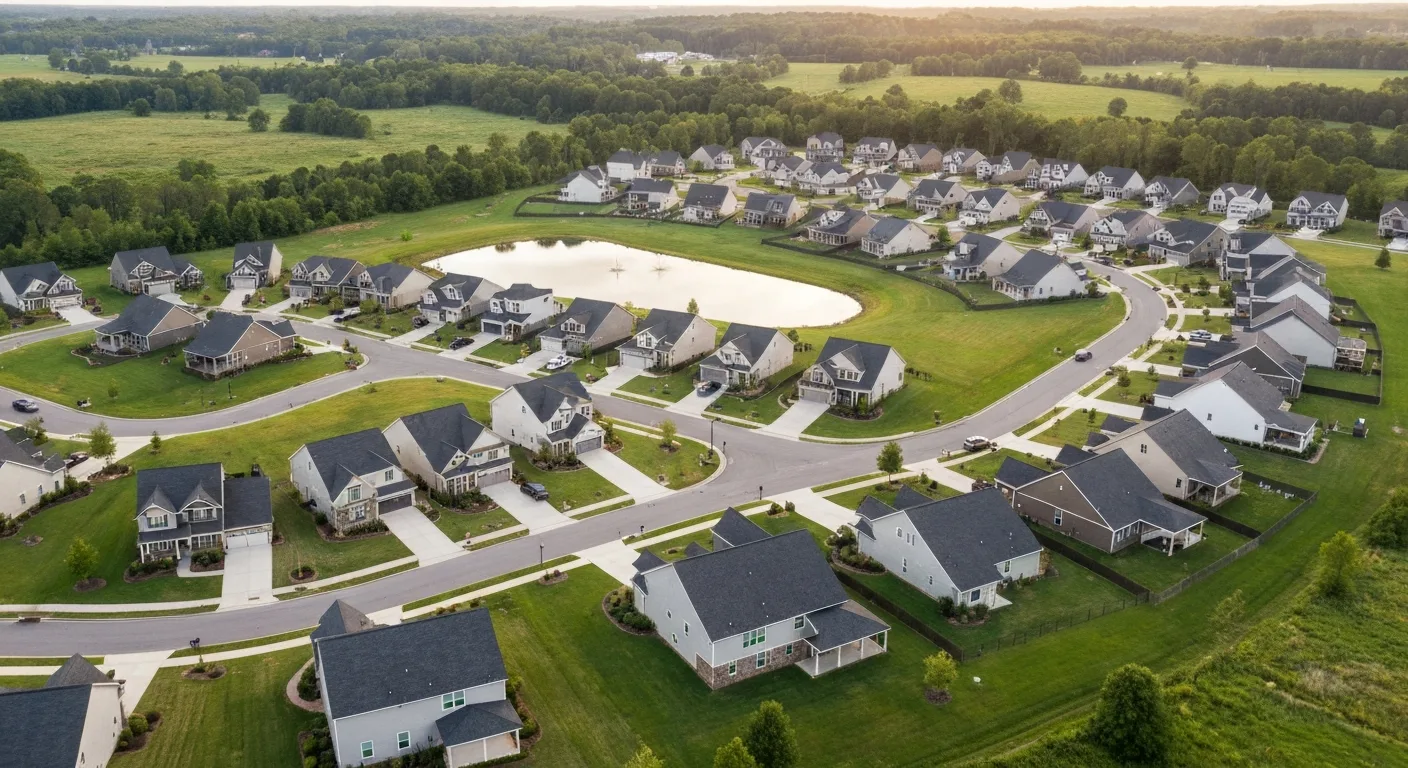
What you get for that price is part of the appeal. A large share of Indian Land inventory is newer construction, much of it built in the last 10 to 15 years along the US-521 corridor. That means modern floor plans, energy-efficient systems, and lower near-term repair costs than an older home of the same price in an established Charlotte suburb. When buyers tell me the cost of living in Indian Land SC feels manageable, the biggest reason is that they are buying a newer house that does not hit them with a roof or HVAC bill in year two.
When you map out the cost of living in Indian Land SC, two things on the housing line deserve attention. First, prices have softened slightly. Zillow noted home values down about 3.0% year over year as of late April 2026, which is a buyer-friendly signal but also a reminder to not overpay in a cooling stretch.
Second, the median masks a wide range. Townhomes and smaller single-family homes can come in well below the median, while custom homes and larger lots push past $700,000. Your personal cost of living in Indian Land SC depends heavily on which slice of that range you target. If you want help reading current list-to-sale ratios before you offer, my buyer resources page is a good starting point.
Property Taxes: The 4% Primary-Residence Advantage
This is where South Carolina quietly wins, and it is the single biggest reason the total cost of living in Indian Land SC can beat a comparable North Carolina address. Property taxes are the most reliable line in the entire cost of living in Indian Land SC calculation. South Carolina assesses an owner-occupied primary residence at a 4% ratio of fair market value. A non-primary or investment property is assessed at 6%. To get the 4% rate you must file for the primary-residence (legal residence) classification with the Lancaster County Assessor and prove the home is your legal residence. Skipping that filing is the most common and most expensive mistake new arrivals make.
On top of the low assessment ratio, South Carolina gives owner-occupied homes a powerful break under Act 388 of 2006: primary residences are exempt from the school operating portion of the millage. School operating taxes are usually the largest slice of a property tax bill, so removing them on your primary home is a real saving. The exemption does not erase everything. You still pay county and municipal millage, plus any millage levied to repay general obligation bond debt, but the headline number shrinks dramatically once the school operating piece comes off. Verify the current breakdown with the Lancaster County Auditor and the assessment rules at the South Carolina Department of Revenue.
The result is one of the lowest effective property tax burdens in the country. South Carolina’s effective rate on owner-occupied housing is estimated near 0.49% for 2026, less than half the national average in many comparisons. On a $516,990 home, that translates to a property tax bill that is often several thousand dollars per year lower than what the same home value would cost on the North Carolina side. That gap compounds every year you own, which is why I tell relocating buyers the property tax line is the most durable advantage in the entire cost of living in Indian Land SC equation. For a fuller side-by-side of the two states, see my NC vs SC taxes breakdown.
One asterisk: the favorable rate hinges on the property being your primary residence. If you keep an Indian Land home as a rental or second home, it is assessed at 6% and loses the school operating exemption, which can more than double the tax bill. Run that scenario before you buy if a future rental is part of your plan, because it changes the cost of living in Indian Land SC math entirely for that property.
Curious about buying in Indian Land, SC?
It’s free, it’s 15 minutes, and Steve actually picks up.
Grab 15 Minutes with Steve →The Income Tax Tradeoff: Where SC Can Cost High Earners More
Here is the part most relocation guides get wrong. They assume South Carolina is automatically cheaper on taxes across the board. On property tax, it usually is. On income tax, the picture is more nuanced, and for some households North Carolina actually comes out ahead. This is a genuine tradeoff inside the cost of living in Indian Land SC, and you should model it with your own income before you assume a win.
North Carolina uses a single flat individual income tax rate of 3.99% for the 2026 tax year, per the North Carolina Department of Revenue. Everyone pays the same rate regardless of income. You can confirm the current rate directly at the NCDOR individual income tax page. South Carolina, by contrast, moved to a two-rate structure for 2026: 1.99% on taxable income up to $30,000, then 5.21% on income above $30,000, with a $966 deduction applied to the upper tier and a new South Carolina Income Adjusted Deduction replacing federal deductions.
What does that mean in practice? For lower and moderate taxable incomes, the South Carolina 1.99% bottom bracket can beat North Carolina’s flat 3.99%. For higher taxable incomes, the 5.21% top rate sits above North Carolina’s 3.99%, so a high earner may pay more state income tax in South Carolina than they would across the line. The deductions on each side shift the breakeven point, so the only reliable answer is to run your specific numbers.
This is the line where the cost of living in Indian Land SC can tilt against you if you have a high salary, even as your property tax savings push the other way. It is the one place the cost of living in Indian Land SC does not automatically favor the South Carolina side.
The way I frame it for relocating buyers: property tax savings in South Carolina are steady and predictable every single year, while the income tax comparison depends on your earnings and can swing either direction. For many households the property tax win outweighs any income tax premium. For top earners, the two can roughly cancel out, leaving home price and lifestyle as the real deciders. Watch the full explanation in my video, Moving to South Charlotte? North Carolina vs South Carolina Explained, where I walk through how the two tax systems actually compare for a real move.
Utilities, Groceries, and the Everyday Cost of Living in Indian Land SC
Beyond the house and the tax bill, the day-to-day cost of living in Indian Land SC is reassuringly ordinary, and predictable enough to budget around, and on several measures it runs below the national average. Median household bills across Lancaster County come in about 7% lower than the U.S. median, with households reporting roughly $1,941 a month or about $23,292 a year across all bill categories including housing, according to consumer bill data.
On electricity, Duke Energy is a primary provider in the area, and median Duke Energy bills in Lancaster County run around $144 a month per consumer-payment data. Actual usage varies with home size and season, and newer Indian Land homes tend to run more efficiently, which helps keep that number in check. Water and sewer service in the area is handled by local providers such as the Lancaster County Water and Sewer District; exact rates depend on usage, so I tell buyers to ask the seller for a recent 12-month utility history during due diligence.
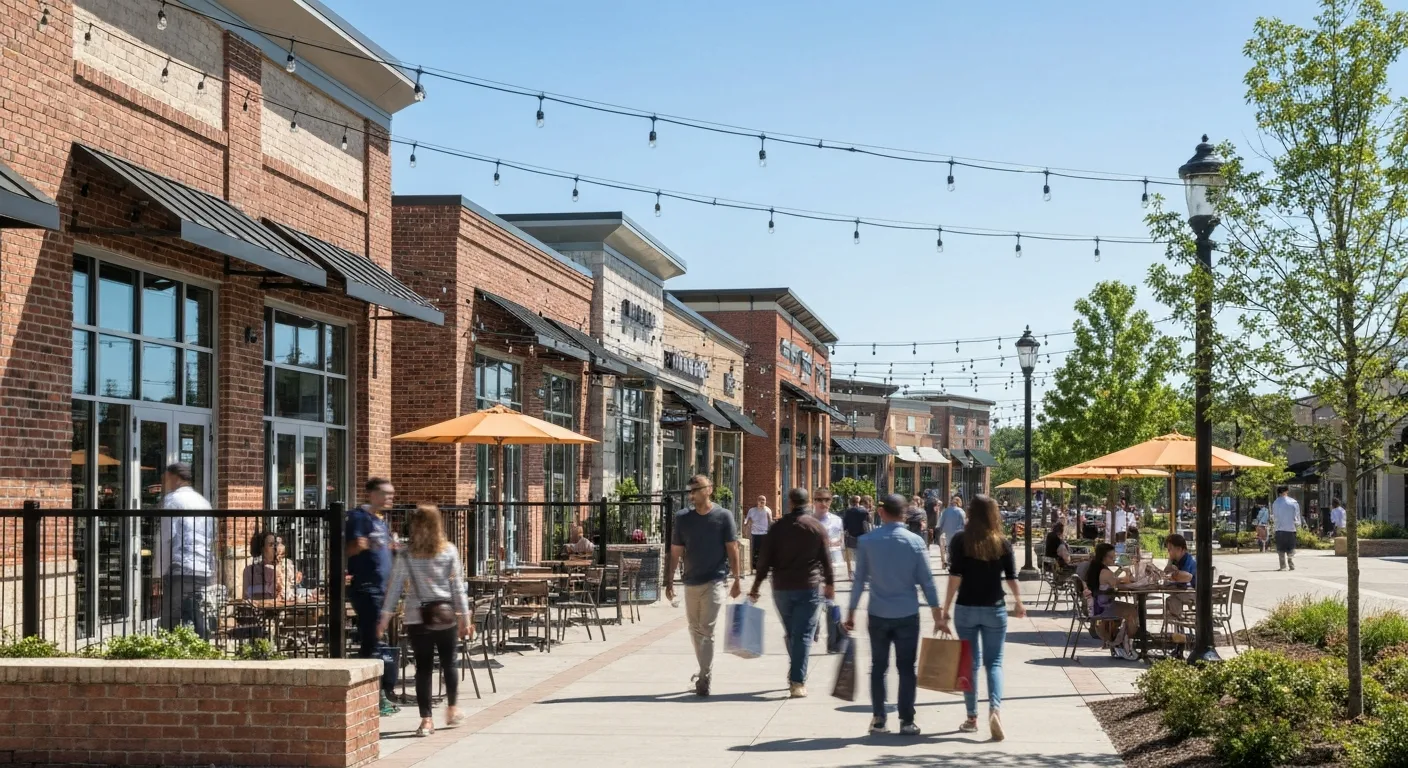
Groceries and general goods are where Lancaster County stretches a budget. Cost-of-living calculators generally place the broader Lancaster area around 10% below the national average overall, with food costs running meaningfully under the national norm. The Charlotte metro index hovers right around 101, essentially national average, and Indian Land’s position just south of the line means residents get metro-level access to shopping and dining while sitting in a lower-cost county. That blend is a quiet strength of the everyday cost of living in Indian Land SC: big-city amenities, smaller-county prices.
Two everyday taxes round out the picture. South Carolina charges a 6.0% state sales tax, and Lancaster County adds a 1% local option, for a 7% combined rate on most purchases, with some local areas reaching up to 8%. South Carolina also levies an annual personal property tax on vehicles, assessed at a 6% ratio of the car’s value and paid to the county treasurer each year. That car tax is a line North Carolina handles differently, and it surprises new arrivals, so build it into your first-year cost of living in Indian Land SC budget.
HOA Dues and New-Construction Costs
Because so much of Indian Land is newer planned development, homeowner association dues are a real and recurring part of the cost of living in Indian Land SC. Most newer communities carry an HOA, and the dues range widely depending on what the association maintains and which amenities it funds. Skipping HOA dues when you budget is a classic mistake in estimating the cost of living in Indian Land SC, because they can add the equivalent of a meaningful chunk of a mortgage payment.
Sun City Carolina Lakes, the large active-adult community in Indian Land, is a useful benchmark. Single-family HOA dues there run around $321 a month, covering lawn care, clubhouse and amenity access, and common-area upkeep. Townhomes in the same community can run higher, sometimes in the high $500s per month, because the association handles more exterior maintenance. Other Indian Land neighborhoods land across a broad spread, so always confirm the exact monthly figure and what it includes before you commit.
New construction carries its own cost wrinkles that affect the true cost of living in Indian Land SC. Builders sometimes price a community’s amenities into early dues that rise as the neighborhood fills out, and some areas carry special tax or improvement district assessments tied to infrastructure. Ask the builder directly about projected dues at full build-out and whether any bond or improvement district adds to the tax bill. These are answerable questions, and getting them answered up front keeps your budget realistic.
My practical advice: when you compare two Indian Land homes, do not stop at the list price. Add the monthly HOA dues, the projected property tax, and any district assessment to each one, then compare the all-in monthly figure. Two homes priced the same can have very different real costs once those lines are stacked. That all-in view is the only accurate way to compare the cost of living in Indian Land SC from one neighborhood to the next, and it is the comparison I build for every buyer I work with.
The Commute: US-521, I-77, and What the Drive Costs
The drive is the hidden line in the cost of living in Indian Land SC, and it is the one buyers underestimate most when they tally up the cost of living in Indian Land SC. Indian Land sits along the US-521 corridor, the main artery north into Ballantyne and South Charlotte. US-521 is convenient, but it carries heavy rush-hour volume and can back up significantly during peak commute windows. If your job is in central Charlotte or the airport area, factor that traffic into both your time budget and your fuel budget.
Many Indian Land commuters also use I-77 to reach uptown Charlotte and points north. It is worth knowing how the I-77 toll lanes work. The I-77 Express Lanes run as optional toll lanes in the corridor; you are never forced to pay, since the general-purpose lanes remain free, but the express lanes can buy back time on a bad traffic day for a variable toll. The toll fluctuates with congestion, so a heavy commuter who opts into the express lanes regularly should add that recurring cost to their personal cost of living in Indian Land SC. You can review how the system works at the I-77 Express official site.
The average one-way commute in Mecklenburg County runs roughly 25 to 26 minutes, but an Indian Land resident heading into the core during rush hour can easily exceed that. The real cost here is twofold: the gas and any tolls, plus the value of your time. I encourage buyers to test-drive their actual commute at 7:30 a.m. on a weekday before they fall for a specific home. A neighborhood that looks affordable on paper can cost you an extra hour a day, and that hour has a price. Weighing commute against price is exactly the kind of tradeoff I cover in my Fort Mill vs Indian Land comparison.
Who Indian Land Fits on Cost (and Who It Does Not)
So who actually comes out ahead on the total cost of living in Indian Land SC? Relocating buyers who want a newer home, value low property taxes, and do not have an ultra-high taxable income tend to do very well on the cost of living in Indian Land SC. The 4% primary-residence assessment and the school operating exemption deliver real, repeatable annual savings, and the newer housing stock keeps maintenance surprises low in the early years. For a buyer coming from a high-tax state, the combination can feel like a genuine relief.
It fits less cleanly for two groups. First, very high earners may find South Carolina’s 5.21% top income tax rate eats into the property tax savings, so the net advantage shrinks. Second, anyone whose job sits deep in central Charlotte with no flexibility should price the commute carefully, because the time and toll cost can offset some of the home-price discount. Neither is a dealbreaker, but both deserve a careful look before you assume the cost of living in Indian Land SC is automatically lower for your situation.
The cleanest way to pin down your real cost of living in Indian Land SC is to model your own numbers: your target home price, the projected property tax at 4%, your HOA dues, your state income tax under the SC two-rate system, and your realistic commute cost. Stack those and compare them against the same home a few miles north.
For most relocating buyers I work with, the South Carolina side wins on the tax line and ties or wins on home price. If you want help running that comparison for your exact scenario, that is precisely what I do. You can also explore where Indian Land ranks among other options in my guide to the best places to move in the Charlotte area, and see what there is to do once you settle in over on my things to do in Indian Land roundup.
Frequently Asked Questions
What is the cost of living in Indian Land SC compared to Charlotte NC?
The cost of living in Indian Land SC runs close to the national average and generally below Charlotte on the tax line. Greater Lancaster County sits roughly 10% under the national average for everyday goods, and South Carolina’s low property tax treatment on a primary residence usually beats a comparable North Carolina address. Home prices in Indian Land, with a median near $516,990 in 2026, also tend to undercut similar South Charlotte neighborhoods for comparable square footage.
How do property taxes work for a primary residence in Indian Land SC?
A primary residence in South Carolina is assessed at a 4% ratio of fair market value rather than the 6% applied to second homes and rentals, and owner-occupied homes are exempt from the school operating portion of the millage under Act 388. You must file for the legal-residence classification with the Lancaster County Assessor to get the 4% rate. The result is one of the lowest effective property tax burdens in the country, estimated near 0.49% of value for 2026.
Is South Carolina income tax really lower than North Carolina for Indian Land residents?
Not always. South Carolina uses a 2026 two-rate structure of 1.99% on taxable income up to $30,000 and 5.21% above that, while North Carolina applies a flat 3.99%. Lower and moderate incomes often pay less in South Carolina, but higher earners can pay more because the 5.21% top rate exceeds North Carolina’s flat 3.99%. The right answer depends on your specific income, so run your own numbers before assuming a win.
How much does the South Carolina vehicle property tax add to my budget?
South Carolina charges an annual personal property tax on vehicles, assessed at a 6% ratio of the car’s value and paid to the county treasurer each year. It is a recurring cost North Carolina handles differently, so new arrivals should budget for it as part of their first-year cost of living in Indian Land SC. The exact amount depends on the vehicle’s assessed value and the local millage.
Are HOA fees common in Indian Land SC and how much are they?
Yes. Because much of Indian Land is newer planned development, most communities carry an HOA. As a benchmark, single-family dues in Sun City Carolina Lakes run around $321 a month, while townhomes there can reach the high $500s because the association covers more exterior maintenance. Always confirm the exact monthly figure and what it includes before you buy, and add it to your all-in monthly cost.
What is the sales tax rate in Indian Land SC?
The combined sales tax rate in Lancaster County, which includes Indian Land, is 7%, made up of South Carolina’s 6.0% state rate plus a 1% local option. Some local areas can reach up to 8% with additional local taxes. That rate applies to most retail purchases and is a small but steady part of the overall cost of living in Indian Land SC.
Numbers are only half the decision. For the bigger picture, I break down the full pros and cons of living in Indian Land in a separate guide.
About the Author
I am Steve Jarrell, a REALTOR with The Longleaf Group at eXp Realty, and I am licensed in both North Carolina and South Carolina. That dual license matters for a topic like this, because I work the Charlotte border every week and help relocating buyers compare the real cost of living in Indian Land SC against the North Carolina side, line by line, before they commit to either.
I built my real estate practice around relocating buyers and sellers across South Charlotte and the South Carolina border towns, including Indian Land, Fort Mill, Tega Cay, and Lake Wylie. On my YouTube channel I break down the things that actually move a move: taxes, commutes, new construction, and how each town really lives. If you want a straight answer on whether the numbers work for your situation, reach out. You can call or text me at 704-774-7170 or email steve@jarrellhomes.com, and I will help you price out the move with real figures.
Quick call. Real answers.
Ready to price out a move to Indian Land, SC? Let’s figure it out together.
Book a Free 15-Min Chat with Steve →704-774-7170 | steve@jarrellhomes.com | thelongleafgroup.com
For the complete local picture, see our Indian Land real estate guide.