
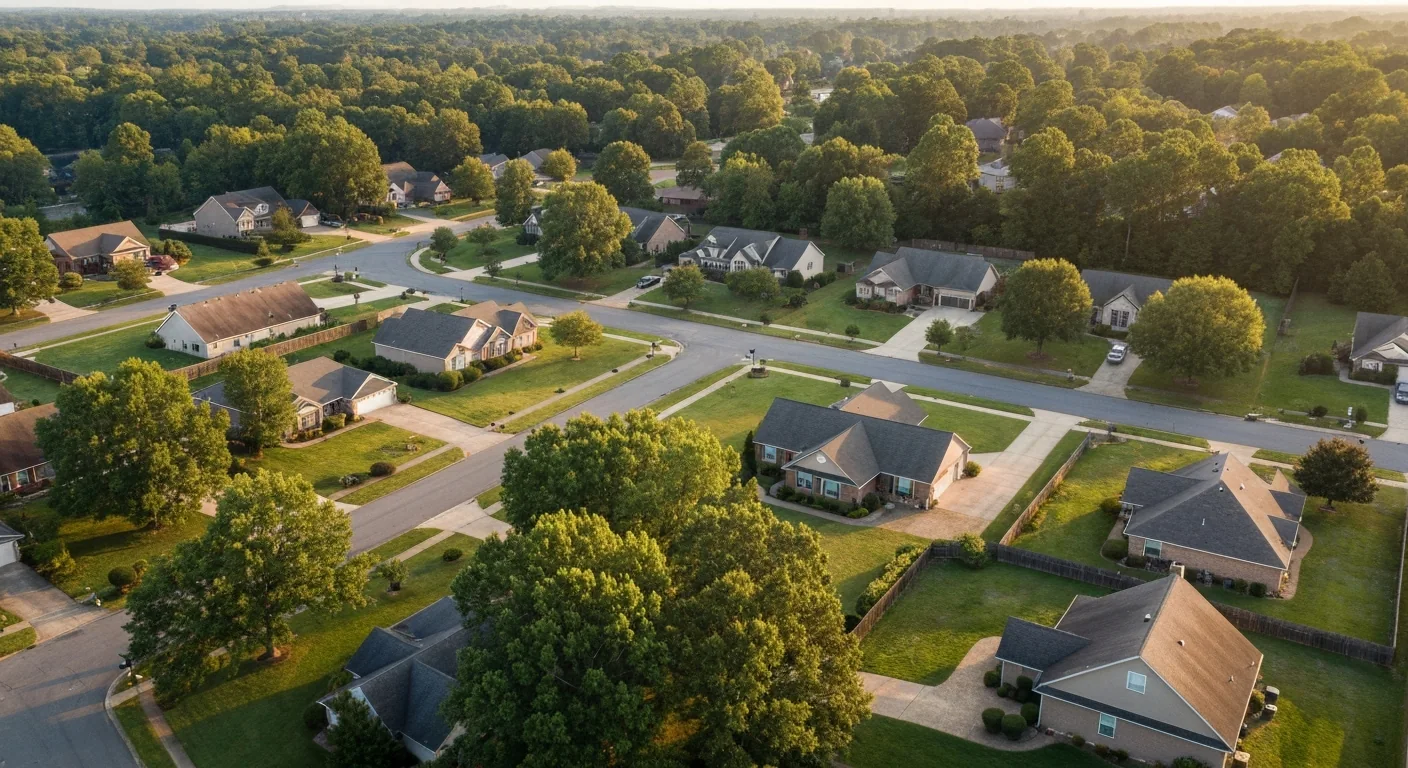
If you are weighing a move to the Charlotte area, the cost of living in Rock Hill SC is one of the first numbers you should run, and it is one of the most encouraging. Rock Hill sits in York County, South Carolina, about 25 miles south of Uptown Charlotte, and it gives relocating buyers a real chance to stay close to a major job market while spending noticeably less than they would on the North Carolina side of the border.
I work both sides of the North Carolina and South Carolina line every week, and the cost of living in Rock Hill SC comes up in almost every relocation conversation I have with out-of-state buyers. They want to know what a home actually costs here, what the taxes look like, and how far their paycheck really stretches once they factor in everything from the property tax bill to the grocery run. This guide answers all of that with current 2026 numbers and the local context behind them.
17 min read | By Steve Jarrell, The Longleaf Group at eXp Realty | Updated August 2026
What This Guide Covers
- The short answer on the cost of living in Rock Hill SC for 2026
- How the cost of living in Rock Hill SC compares to Charlotte and the US average
- Housing costs in Rock Hill SC: home prices and rent
- Property taxes in Rock Hill SC: where buyers actually save
- Income tax, sales tax, and the vehicle tax surprise
- Everyday costs: utilities, groceries, and getting around
- What it takes to live comfortably in Rock Hill SC
- How I help relocating buyers budget for Rock Hill SC
- Frequently asked questions
- About the author
The Short Answer on the Cost of Living in Rock Hill SC for 2026
Key Takeaways
- Overall cost-of-living index near 95 (US = 100), about 5% below the national average
- Living in Charlotte runs about 1.3% more expensive than Rock Hill
- Effective property tax about 0.86% inside city limits; about 0.53% in unincorporated York County
- Median household income about $68,771
- About 25 miles and roughly 30 minutes to Uptown Charlotte via I-77
- South Carolina’s lower property and income tax treatment widens the value gap versus North Carolina
Steve Jarrell of The Longleaf Group tracks the cost of living in Rock Hill SC as running slightly below the national average, with an overall index near 95 against a US baseline of 100, and it lands a touch under nearby Charlotte. Living in Charlotte is about 1.3% more expensive than living in Rock Hill, and that gap widens once you add in South Carolina’s lower property and income tax treatment. For a relocating buyer who keeps a Charlotte-area job, Rock Hill is one of the better value plays on the map.
Here is the at-a-glance version before we get into the detail. These are the figures relocating buyers ask me about most, pulled from current 2025 and 2026 data.
| Cost factor | Rock Hill SC (2026) |
|---|---|
| Overall cost of living index (US = 100) | About 95, below the US average |
| Median home sale price | Roughly $390,000 (broader home value indexes run nearer $300,000) |
| Median apartment rent | About $1,450 per month |
| SC top state income tax rate (2025) | 6%, and being phased down |
| Combined sales tax (York County) | 7% |
| Effective property tax rate, owner-occupied | About 0.86% inside Rock Hill city limits; about 0.53% in unincorporated York County |
| Median household income | About $68,771 |
| Drive to Uptown Charlotte via I-77 | About 25 miles, roughly 30 to 35 minutes off-peak |
If you take one thing from this guide, let it be this: the headline cost of living in Rock Hill SC is mildly below average, but the real savings for a homeowner show up in the tax structure, which I break down section by section below.
Curious about buying or selling in Rock Hill, SC?
It’s free, it’s 15 minutes, and Steve actually picks up.
Grab 15 Minutes with Steve →A lower cost of living only counts if you like being here, so it is worth reading what there actually is to do in Rock Hill.
How the Cost of Living in Rock Hill SC Compares to Charlotte and the US Average
When buyers ask whether Rock Hill is affordable, they usually mean two things at once: affordable compared to the country as a whole, and affordable compared to Charlotte, the metro they are moving toward. On both counts the cost of living in Rock Hill SC checks out well. The overall index sits around 95, which means the typical basket of expenses here costs about 5% less than the national average.
Against Charlotte the difference is real but modest on paper. Charlotte runs about 1.3% more expensive than Rock Hill on a blended cost index. That small percentage understates the gap a homeowner feels, though, because the index blends renters and owners and does not fully capture the property tax advantage South Carolina hands to people who own and live in their home.
The categories that pull the cost of living in Rock Hill SC below the national line are housing and taxes. Groceries sit just under the US average at an index near 96, and utilities are roughly in line with national norms. Healthcare and transportation are close to average. So the story is not that everything is cheap here. It is that the two biggest line items in most household budgets, the mortgage and the tax bill, tend to be lighter than they would be across the border.
For an out-of-state buyer, the practical takeaway is that you can often buy more home for the same monthly payment in Rock Hill than in comparable Charlotte suburbs, and then keep more of your income because of how South Carolina taxes residents. That combination is exactly why the cost of living in Rock Hill SC keeps drawing relocating buyers who still want quick access to a big-city job market.
Housing Costs in Rock Hill SC: Home Prices and Rent
Housing is the single largest piece of the cost of living in Rock Hill SC, so it deserves the closest look. The median home sale price in Rock Hill has recently run around $390,000, based on mid-2026 sales data. You will also see lower figures quoted, near $300,000, on broader home-value indexes that include every type of housing stock rather than just recent sales. Both are accurate; they simply measure different things, and I always tell buyers to look at recent comparable sales for the specific area they are targeting rather than a single citywide number.
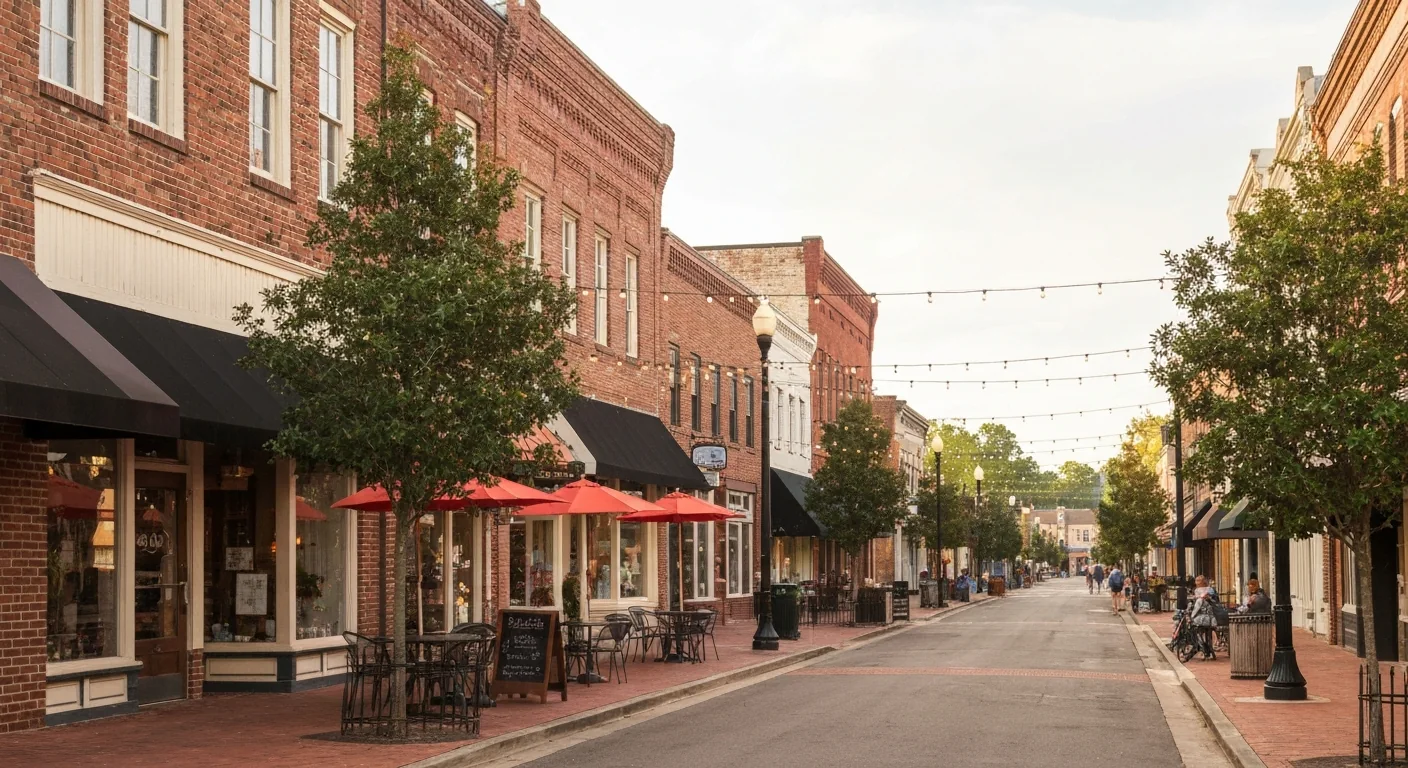
Compared with the Charlotte side of the line, Rock Hill still offers a meaningful discount on price per square foot in many neighborhoods. Established areas closer to Winthrop University (a public university in the heart of Rock Hill) and Old Town tend to carry higher land value, while newer construction farther out toward the I-77 corridor often delivers more square footage for the money. The spread between those two is wide, which is why a citywide median can be misleading on its own.
Buyers often ask me which parts of town give the best value, and the answer shapes their personal cost of living in Rock Hill SC more than any citywide statistic. Newer subdivisions toward the I-77 corridor and the Fort Mill side generally deliver the most square footage per dollar, while historic Old Town and the areas near Winthrop University command a premium for walkability and character. Telling those apart on a map is hard from out of state, which is where a local read on comparable sales earns its keep.
What renters pay in Rock Hill
If you plan to rent before you buy, which I often recommend for out-of-state buyers who want to learn the area first, budget around $1,450 a month for a typical apartment as of 2026. Median gross rent across all rental types sits a bit lower, near $1,279, since that figure includes older and smaller units. Rents here generally undercut comparable Charlotte neighborhoods, which is consistent with the rest of the cost of living in Rock Hill SC running below the metro core.
One planning note: renting for a season lets you test the commute, the specific part of town, and the school assignment before you commit a down payment. Given how much the cost of living in Rock Hill SC varies by neighborhood, that trial period often saves buyers from an expensive mistake.
Property Taxes in Rock Hill SC: Where Buyers Actually Save
This is the section that surprises people the most, and it is the biggest reason the true cost of living in Rock Hill SC beats what the blended index suggests. South Carolina taxes an owner-occupied primary residence very gently. The state assesses a legal residence at a 4% ratio of its fair market value, compared with a 6% ratio for second homes and rental property. That lower assessment ratio, combined with local exemptions, produces one of the lowest effective property tax rates in the nation.
According to the Tax Foundation’s 2024 data, the effective property tax rate on owner-occupied homes in South Carolina is about 0.49%. To put that in plain dollars, a homeowner with a $390,000 primary residence is often looking at a real annual property tax bill far below what a comparably priced home would carry in many other states. You can review York County’s tax structure directly on the York County tax information page and the legal residence rules in the South Carolina property tax code.
There is an important catch I make sure every buyer understands. That favorable 4% rate only applies after you file for the legal residence classification with the county and the home is genuinely your primary residence. If the county still has the property at the 6% second-home or investor ratio, your tax bill can be dramatically higher. When you close, filing that legal residence application is one of the first things to handle, and it is a step I walk my buyers through so the cost of living in Rock Hill SC stays as low as it should.
A tax break for residents 65 and older
South Carolina also offers a homestead exemption that removes the first $50,000 of fair market value from taxation for homeowners who are 65 or older, totally and permanently disabled, or legally blind. For anyone relocating to Rock Hill in or near retirement, that exemption stacks on top of the already low effective rate and makes the long-term cost of living in Rock Hill SC even more attractive. It is one of the quiet reasons the SC border towns draw so many buyers leaving higher-tax states.
Quick call. Real answers.
Ready to make Rock Hill, SC home? Let’s figure it out together.
Book a Free 15-Min Chat with Steve →Income Tax, Sales Tax, and the Vehicle Tax Surprise
Property tax is the headline win, but income and sales tax shape the cost of living in Rock Hill SC too. South Carolina’s top marginal state income tax rate for 2025 is 6%, and the state has been steadily reducing it over the past few years. That top rate is higher than North Carolina’s flat rate, so for high earners the income tax picture can favor the NC side. For most relocating buyers, the property tax savings outweigh the income tax difference, but it is worth modeling against your own income. The current brackets are published by the South Carolina Department of Revenue.
Sales tax in Rock Hill is straightforward. South Carolina’s state rate is 6%, and York County adds a local penny, bringing the combined sales tax to 7%. That is in the normal range for the region and close to what you would pay in many North Carolina counties, so it is rarely a deciding factor in the cost of living in Rock Hill SC.
The annual vehicle tax most newcomers miss
Here is the one that catches out-of-state buyers off guard. South Carolina charges an annual personal property tax on vehicles, billed through the county every year based on the value of the car. If you are moving from a state that does not tax vehicles annually, this is a new line item to plan for, and it can run a few hundred dollars per vehicle depending on the car’s value. It does not erase South Carolina’s overall tax advantage, but it belongs in any full accounting of the cost of living in Rock Hill SC, and I always flag it so buyers are not surprised by their first county bill.
If you want a fuller side-by-side on how the two states stack up, I broke down the differences in detail in my guide to NC versus SC taxes for Charlotte buyers. It pairs naturally with this cost breakdown.
Everyday Costs in Rock Hill SC: Utilities, Groceries, and Getting Around
Beyond housing and taxes, the everyday spending that fills out the cost of living in Rock Hill SC is close to the national average, with a few items leaning cheaper. Groceries carry an index near 96, so a typical grocery run costs a bit less than the US norm. That tracks with the rest of the South Carolina suburbs, where food and fuel tend to run slightly lower than in larger metros.
Utilities are roughly in line with national figures. South Carolina residents pay an average around $150 a month for electricity, and a typical Rock Hill household spends somewhere between $200 and $350 a month on the full bundle of electricity, heating and cooling, water, and trash, depending on home size and season. The summer cooling months are the peak, so budget for higher bills from June through September.
Home insurance is the cost newcomers most often leave out of their math. South Carolina premiums tend to run a bit higher than the national average because of regional storm risk, even this far inland from the coast, so build a realistic homeowners policy into your monthly figure rather than assuming it matches your old state. It is a modest piece of the overall cost of living in Rock Hill SC, but it is real, and underestimating it is a common budgeting miss I help buyers correct before they shop.
The commute factor
For anyone keeping a Charlotte job, the commute is a cost in both time and money, and it is one of the most searched concerns about living here. Rock Hill sits about 25 miles south of Uptown Charlotte along Interstate 77 (the main north-south highway connecting Rock Hill to Charlotte). Off-peak, the drive runs roughly 30 to 35 minutes. During morning and evening rush hour, I-77 can slow considerably, so realistic planning means budgeting closer to 45 minutes to an hour each way at the worst times.
That commute tradeoff is the core of the value equation. You accept a longer drive than someone living inside Charlotte, and in exchange the cost of living in Rock Hill SC, especially the housing and property tax side, rewards you. For remote and hybrid workers, that math gets even better, which is part of why the SC border towns have grown so quickly.
If you are still deciding between the North Carolina and South Carolina sides of the metro, I put together a video that walks through the practical differences for relocating buyers. You can watch Moving to South Charlotte? North Carolina vs South Carolina Explained on my YouTube channel, where I cover a lot of the tax and lifestyle tradeoffs that shape the cost of living in Rock Hill SC and its neighbors.
What It Takes to Live Comfortably in Rock Hill SC
A common search among relocating buyers is what salary you need to live comfortably here. The median household income in Rock Hill is about $68,771, which gives you a sense of what local households actually earn. Because the cost of living in Rock Hill SC runs slightly below the national average, a household income in that range supports a reasonable standard of living, though comfort always depends on your housing choice and debt.
For a buyer purchasing a median-priced home near $390,000, lenders generally want to see household income comfortably into the six figures once you account for the mortgage, taxes, insurance, and other debts, especially at current interest rates. South Carolina’s statewide average effective rate is about 0.49%, but do not budget from that number inside the city. Rock Hill’s 2025 owner-occupied levy of 214.9 mills works out to roughly 0.86% of market value, while an unincorporated York County address in the same school district runs near 0.53%. Where you buy inside the county moves the bill more than most buyers expect.
It also helps to plan for the one-time costs of getting in the door. Beyond the down payment, budget for closing costs, the first annual vehicle tax bill once you register in South Carolina, and the homeowners insurance setup. None of these change the long-run cost of living in Rock Hill SC much, but they shape the cash you need on day one, and I make sure relocating buyers see the full picture before they write an offer.
The straight framing I give buyers is that the cost of living in Rock Hill SC is forgiving on the margins, not magical. You are not moving to a bargain-basement town. You are moving to a place where your housing dollar and your property tax dollar go further than they would just across the state line, and where a Charlotte-level income can buy a stronger lifestyle than it would inside the city.
 |
Free · 26-Page Insider Guide Which South Charlotte Town Is Right for You? Towns, villages, and cities compared, NC vs SC taxes and schools, and the 5 mistakes out-of-state buyers make. Everything you’d want a local to tell you before you move. Get the free guide → |
How I Help Relocating Buyers Budget for Rock Hill SC
Numbers on a page only get you so far. The reason buyers reach out to me is that the cost of living in Rock Hill SC changes meaningfully depending on which neighborhood you choose, whether you file your legal residence paperwork correctly, and how you plan around the commute. Those are the variables that turn a citywide average into your actual monthly budget.
Because I am licensed in both North Carolina and South Carolina and work the border full time, I can run a true side-by-side for you: a comparable home in Rock Hill against one in a South Charlotte or Union County suburb, with the real tax and payment difference laid out.
If you are also weighing the South Carolina lifestyle and tradeoffs more broadly, my breakdown of the pros and cons of living in Rock Hill SC and my guide to the cost of living in nearby Indian Land SC are good companion reads. When you are ready to start, the buying page walks through how I work with relocating buyers, or you can reach me directly through the contact page.
Cost of Living in Rock Hill SC: Frequently Asked Questions
Is Rock Hill SC affordable?
Yes. The cost of living in Rock Hill SC sits about 5% below the national average, with an overall index near 95, and it runs slightly cheaper than nearby Charlotte. The biggest savings come from housing. On property tax, be precise: Rock Hill’s city owner-occupied levy works out to about 0.86% of market value, while unincorporated York County addresses run near 0.53%, so the city limit line matters.
What is the average rent in Rock Hill SC in 2026?
A typical apartment in Rock Hill rents for about $1,450 a month in 2026, while the median gross rent across all rental types runs closer to $1,279. Rents here generally fall below comparable Charlotte neighborhoods, which is consistent with the overall cost of living in Rock Hill SC running under the metro core.
How much are property taxes in Rock Hill SC?
South Carolina assesses an owner-occupied primary residence at a 4% ratio and exempts it from school operating millage. Inside Rock Hill’s city limits the 2025 owner-occupied levy of 214.9 mills works out to roughly 0.86% of market value, about $4,298 a year on a $500,000 home. An unincorporated York County address in Rock Hill School District 3 runs closer to 0.53%. You must file for the legal residence classification with York County; otherwise the property is taxed at the 6% ratio, which is much higher. Residents 65 and older also qualify for a $50,000 homestead exemption.
Is the cost of living in Rock Hill SC cheaper than Charlotte NC?
Yes, modestly on a blended index, where Charlotte runs about 1.3% more expensive, and more so for homeowners once you factor in South Carolina’s property tax advantage. Home prices and rents tend to be lower in Rock Hill, and the owner-occupied property tax treatment widens the gap beyond what the headline index shows.
What salary do I need to live comfortably in Rock Hill SC?
The median household income in Rock Hill is about $68,771, and a household earning in that range can live reasonably given the below-average cost of living in Rock Hill SC. To comfortably buy a median-priced home near $390,000 at current interest rates, lenders generally want to see income into the six figures after accounting for the mortgage, taxes, insurance, and other debts.
How much are utility bills in Rock Hill SC?
Expect to spend roughly $200 to $350 a month on the full utility bundle of electricity, heating and cooling, water, and trash, with electricity alone averaging around $150 a month statewide. Summer cooling months from June through September are the peak, so budget for higher bills then. Utilities are a roughly average piece of the cost of living in Rock Hill SC.
About the Author
I am Steve Jarrell, a Realtor with The Longleaf Group at eXp Realty, and I am licensed in both North Carolina and South Carolina, so I work the Charlotte border full time. I help relocating buyers compare the true cost of living in Rock Hill SC against the North Carolina suburbs, run the real tax and payment math on both sides of the line, and avoid the paperwork mistakes that quietly raise a tax bill. If you are planning a move to the Charlotte area, reach me at 704-774-7170, email steve@jarrellhomes.com, or visit thelongleafgroup.com.
Thinking about buying or selling in Rock Hill, SC?
Free, 15 minutes, and zero sales pitch.
Book a Quick Chat with Steve →704-774-7170 | steve@jarrellhomes.com | thelongleafgroup.com
For the complete local picture, see our Rock Hill real estate guide.