
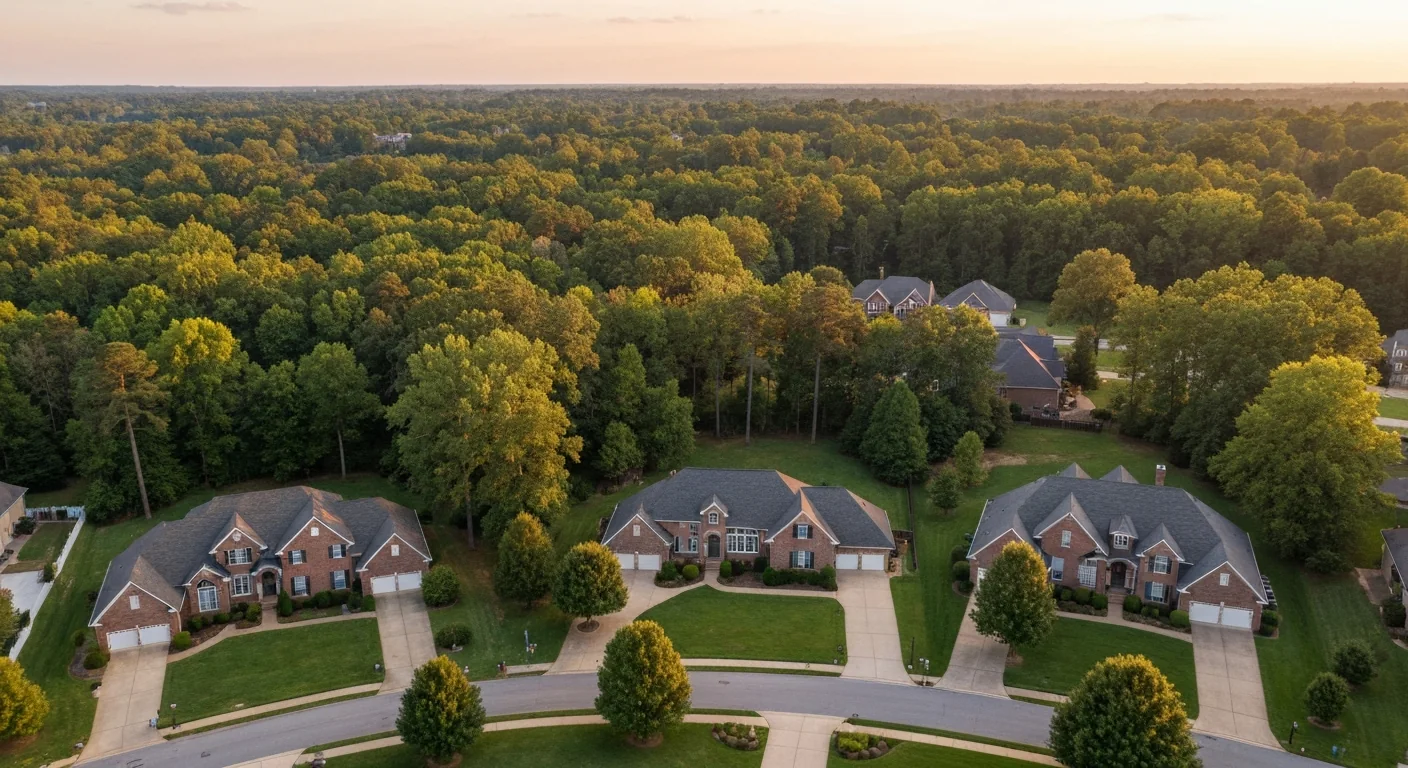
If you are weighing a move to the eastern edge of Charlotte, the first real question is almost always about money. The cost of living in Mint Hill NC sits a little above the national average, but a single index number hides the part that actually matters to your budget. Mint Hill is a Mecklenburg County town that blends larger wooded lots and a small-town pace with full access to a major metro, and that combination touches every line of your monthly math, from your mortgage to your property tax bill to the sales tax you now pay at the register.
I am licensed in both North Carolina and South Carolina and I help buyers weigh these towns against each other every week. This guide walks through the eight costs that decide whether Mint Hill fits your budget, with current 2026 numbers pulled from the county, the state, and the market, not rounded-off guesses. My phone is 704-774-7170 and my email is steve@jarrellhomes.com if you want to talk through your own numbers.
16 min read | By Steve Jarrell, The Longleaf Group at eXp Realty | Updated August 2026
Free · 26-Page Insider Guide
Not sure which South Charlotte town fits your budget?
Towns compared, NC vs SC taxes and schools side by side, and the 5 mistakes out-of-state buyers make.
What This Guide Covers
- The short answer on the cost of living in Mint Hill NC
- What homes actually cost in Mint Hill
- Property taxes, the cost that surprises buyers most
- Utilities, water, and homeowners insurance
- Sales tax and income tax, and what changed in 2026
- Groceries, gas, and everyday spending
- How the cost compares to nearby towns
- Is the cost of living in Mint Hill NC worth it?
- Frequently asked questions
Cost of Living in Mint Hill NC: The Short Answer
The cost of living in Mint Hill NC runs about 2.5% above the national average, and housing is what pushes it there. The typical Mint Hill home sold for around $580,000 in early 2026 according to Redfin, while Zillow puts the broader typical home value closer to $505,000. Property taxes combine the Mecklenburg County rate of $0.4927 per $100 of value with the low Town of Mint Hill rate of $0.225 per $100, for a combined $0.7177 per $100, or roughly $3,589 a year on a $500,000 home.
The Short Answer
The cost of living in Mint Hill NC runs about 2.5% above the national average, and housing is what pushes it there. The typical Mint Hill home sold for around $580,000 in early 2026 according to Redfin, while Zillow puts the broader typical home value closer to $505,000. Property taxes combine the Mecklenburg County rate of $0.4927 per $100 of value with the low Town of Mint Hill rate of $0.225 per $100, for a combined $0.7177 per $100, or roughly $3,589 a year on a $500,000 home.
Key numbers right now:
- Typical Mint Hill home: about $580,000 in early 2026 (Redfin), down less than 1 percent year over year
- Homes.com median: $570,950
- Movoto active listings: around a $585,000 median in July 2026
- North Carolina income tax: 3.99% flat for 2026
- Mecklenburg sales tax rose to 8.25% on July 1, 2026
Outside of housing, the picture eases up. North Carolina charges a flat 3.99% income tax in 2026, utilities in Mint Hill run below the national average, and groceries sit only slightly above it. The one recent change to watch is sales tax: Mecklenburg County raised its rate to 8.25% on July 1, 2026. Put simply, you pay a premium to own a home on a bigger lot near Charlotte, and you get some of that back in lower utility and tax costs than most metros charge.
Talk to a local broker
Want your Mint Hill numbers run for your actual price range?
I will map your mortgage, property tax, and insurance on a real Mint Hill home so you are not guessing. Free, 15 minutes, no pressure.
Schedule a 15-Minute Introductory Call →704-774-7170 · steve@jarrellhomes.com · thelongleafgroup.com
What Homes Actually Cost in Mint Hill NC
Housing is the single biggest driver of the cost of living in Mint Hill NC, so it is worth being precise. As of early 2026, Redfin reported a median sale price of about $580,000, down less than 1% from the year before. Homes.com listed the median closer to $570,950, and Movoto showed active listings around a $585,000 median in July 2026. Zillow, which measures a broader typical value rather than only what sold, sits near $505,000 and up slightly over the year.
Why the spread? Mint Hill has a wide mix of housing. Older ranch and split-level homes on an acre or more sit near newer construction in communities off Lawyers Road and Brief Road, and the newer, larger homes pull the median-sale figure up. The median price per square foot was around $201 in early 2026. For a relocating buyer, the practical takeaway is that your dollar buys more lot and more square footage here than it does in Ballantyne or the close-in Charlotte neighborhoods, which is a big part of why people choose Mint Hill in the first place.
How long homes take to sell
Mint Hill is a moderately competitive market, not a frenzy. Homes have generally taken somewhere in the range of 50 to 90 days to sell depending on the season and price point, which is slower than the peak-market pace of a few years ago. For a buyer, that is good news: you usually have room to negotiate, ask for repairs, and avoid the waive-everything pressure that defined 2021 and 2022. For your budget, a normal market means you can plan instead of panic-buy.
What your monthly mortgage really looks like
On a $500,000 Mint Hill home with 20% down, your loan is $400,000. At current rates in the high 6% range, principal and interest alone land roughly in the $2,500 to $2,700 per month range, before taxes and insurance. Add about $300 a month for property tax and roughly $170 to $200 a month for homeowners insurance, and the all-in monthly housing cost lands in the low-to-mid $3,000s. Those are the numbers that decide affordability, not the sticker price, and they are exactly what I map out for buyers before they fall for a house they have not budgeted for.
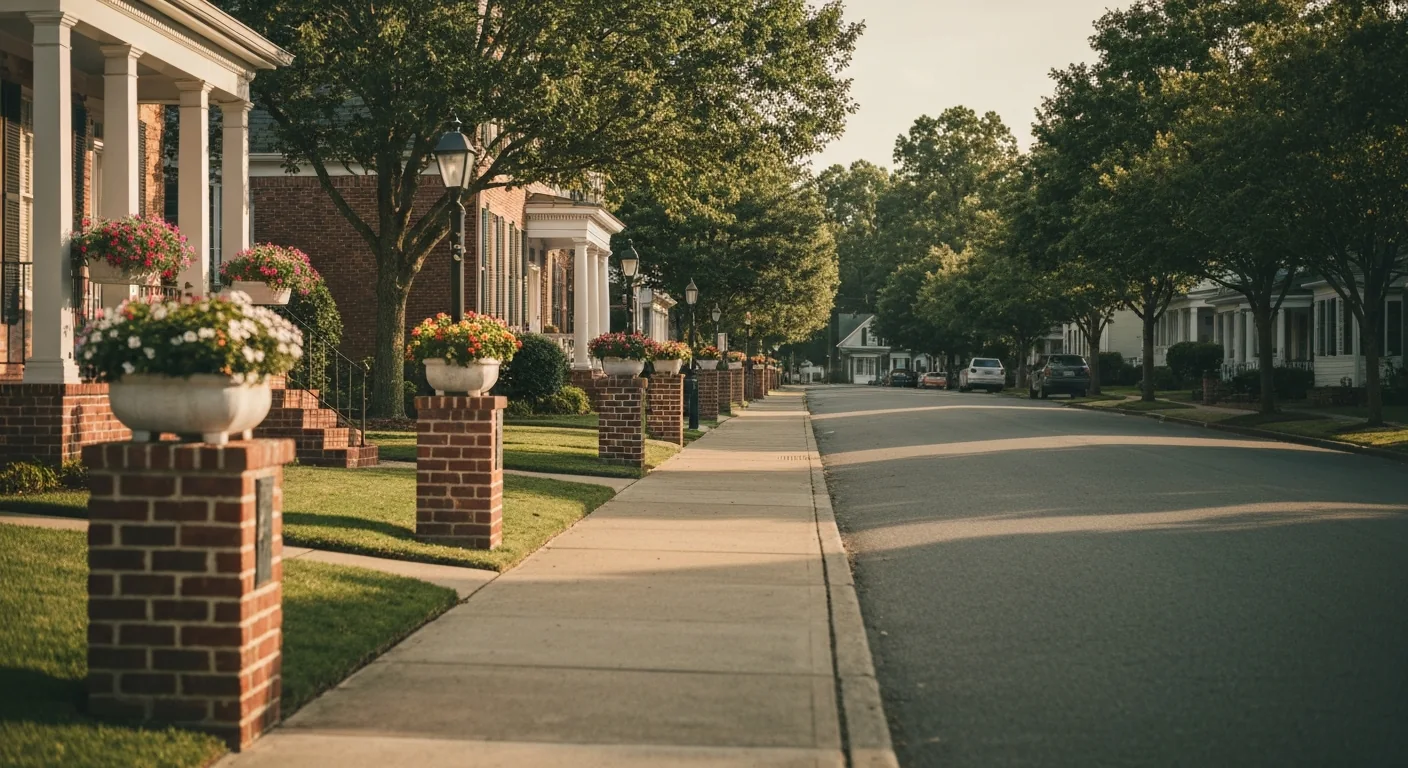
The rate you actually pay depends on whether the address sits inside the town line, and a Mint Hill mailing address does not settle that on its own. I put together a walkthrough on checking whether an address falls inside the Mint Hill town limits so you can pin this line of the budget down before you make an offer.
Property Taxes: The Cost of Living in Mint Hill NC That Surprises Buyers Most
Property tax is where out-of-state buyers get tripped up, because your bill has two parts stacked together. Mint Hill sits in Mecklenburg County, so you pay the Mecklenburg County rate of $0.4927 per $100 of assessed value for 2025-2026, which the county raised by nearly a penny this year. On top of that, the Town of Mint Hill charges its own municipal rate of $0.225 per $100, one of the lowest town rates of any incorporated place its size in the state.
Add the two together and Mint Hill’s combined property tax rate is about $0.7177 per $100 of assessed value. Here is what that means in real dollars, using the county assessment as your taxable value:
- A $400,000 assessed home: about $2,871 per year
- A $500,000 assessed home: about $3,589 per year
- A $580,000 assessed home: about $4,163 per year
- A $700,000 assessed home: about $5,024 per year
That low town rate is a genuine advantage. Compared with living inside the City of Charlotte, where the municipal rate is meaningfully higher, Mint Hill buyers keep more of their money each year for the same county services. It is one of the quiet reasons the cost of living in Mint Hill NC pencils out better than people expect once they get past the home price.
A revaluation note worth planning for
Mecklenburg County last reappraised property values in 2023, and North Carolina requires counties to reappraise at least every eight years, with Mecklenburg on a four-year cycle. That matters because your tax bill is a rate applied to an assessed value, and in a market where values have climbed, the next revaluation can raise your assessment even if the rate holds steady. It is not a reason to avoid Mint Hill, but it is a reason to build a little cushion into your long-term budget rather than assuming this year’s bill is frozen forever.
If a new build is on your list, here is who is building in Mint Hill and what it costs.
Utilities, Water, and Homeowners Insurance
This is the category where Mint Hill quietly wins back some of the housing premium. Utility costs here run about 6% below the national average, and electricity is the biggest reason. Duke Energy Carolinas serves the area, and a typical home using around 1,000 kilowatt-hours a month pays somewhere near $135, at an all-in rate of roughly 12.5 cents per kilowatt-hour. Summer and winter bills climb with heating and cooling and can top $200 in the peak months, so budget for the swing rather than the average.
Water, sewer, and the septic question
Water and sewer is one line item that varies more in Mint Hill than in a typical subdivision town, because of those larger lots. Many newer neighborhoods are on Charlotte Water public service with a normal monthly bill. Some older and more rural properties, especially on acreage toward the town’s edges, run on a private well and septic system instead. That means no monthly water bill, but it also means you own the maintenance: periodic septic pumping and eventual well service. Always confirm which setup a specific home has before you buy, because it changes both your monthly math and your inspection checklist.
Homeowners insurance is rising statewide
Homeowners insurance is the cost line moving fastest right now. Charlotte-area premiums for a standard HO-3 policy have generally run in the $2,000 to $2,400 a year range, though your exact figure depends on the home’s age, roof, and coverage. The bigger story is direction: North Carolina’s Insurance Commissioner approved a statewide average rate increase of 7.5% effective June 1, 2026, following a similar 7.5% increase in 2025. When you budget for a Mint Hill home, use a current quote rather than an old rule of thumb, because insurance is climbing faster than most buyers expect.
Do not forget HOA dues
One line that quietly shapes the cost of living in Mint Hill NC is the homeowners association fee, and it varies more than any other item on this list. Older Mint Hill homes on large lots often have no HOA at all, which keeps your monthly cost down but leaves upkeep entirely to you.
Newer master-planned communities, especially those with a pool, clubhouse, or maintained common areas, can charge anywhere from a modest annual fee to several hundred dollars a year, and a few amenity-rich neighborhoods run higher. Before you fall for a specific house, ask what the HOA covers and what it costs, because two similar homes a mile apart can carry very different monthly budgets once dues are included.
Talk to a local broker
Curious about buying or selling in Mint Hill, NC?
It’s free, it’s 15 minutes, and Steve actually picks up.
Book a 15-minute call →Sales Tax and Income Tax: What Changed in 2026
Two tax numbers changed in 2026, and both belong in any complete look at the cost of living in Mint Hill NC. The first is good news for your paycheck. North Carolina now charges a flat 3.99% state income tax, down from 4.25% in 2025, the final step in a multi-year phase-down. Everyone pays the same rate regardless of income, and at 3.99% North Carolina sits well below most of the states that relocating buyers move here from.
The second change goes the other way. On July 1, 2026, Mecklenburg County’s combined sales tax rose from 7.25% to 8.25% after voters narrowly approved a transit referendum in November. Because Mint Hill is in Mecklenburg County, that new rate applies here. The extra penny funds roads and a major transit expansion, and county estimates suggest it costs the average household roughly $20 a month, or about $240 a year. Gas and most groceries are exempt, so the bite falls on things like dining out, clothing, and electronics rather than your weekly essentials.
Net-net, the income tax cut and the sales tax increase roughly offset each other for a lot of households, and for many buyers the lower income tax comes out ahead. If you are moving from a high-tax state, North Carolina’s flat 3.99% rate is likely to feel like a raise. For a deeper comparison of how the two Carolinas stack up on taxes, I break it down in my guide to NC vs SC taxes.
Gas is the line item that moves most with where you work, so before you budget for it, look at the real drive times between Mint Hill and uptown.
Groceries, Gas, and Everyday Costs in Mint Hill
Once you are past housing and taxes, everyday spending in Mint Hill is close to ordinary. Cost-of-living data puts groceries about 2% above the national average and transportation, including gas, about 1% above it. North Carolina households spend somewhere around $356 per person a month on groceries, and Mint Hill tracks near that. Healthcare is the one everyday category that runs higher, roughly 15% above the national average, which is worth noting if you are on a fixed income or manage ongoing medical costs.
Day-to-day shopping is easy and does not require a drive into Charlotte. You have Harris Teeter, Publix, Food Lion, and Walmart within Mint Hill along Highway 51 (Matthews-Mint Hill Road) and Lawyers Road, plus the full retail and dining spread of nearby Matthews just to the south. For bigger trips, uptown Charlotte and the SouthPark shopping district are a straightforward drive on I-485, the outerbelt that loops the metro. You get small-town convenience for the weekly run and big-city options when you want them, without paying big-city housing costs.
Commuting costs and the value of location
Transportation is a real budget line, and Mint Hill’s location helps more than people assume. The town sits right on I-485, so reaching uptown Charlotte, the airport, or the job centers along the southern crescent is a reasonable drive rather than a marathon. Independence Boulevard (US-74) gives you a second route toward the city.
If your household has two commuters, factor in fuel and wear, but Mint Hill is far better positioned than the outer exurbs where a cheaper house can quietly cost you an extra hour of driving a day. To hear how taxes and daily costs compare across the state line, Steve digs into it in this video on living in South Charlotte versus South Carolina and the truth about taxes on the Welcome to Charlotte channel.
How Mint Hill’s Cost Compares to Nearby Towns
Numbers only mean something in context, so here is how the cost of living in Mint Hill NC stacks up against the towns relocating buyers usually weigh against it. The comparison almost always comes down to home price and property tax, because those are the two lines with the biggest gaps between towns.
Against Matthews, its neighbor just to the south, Mint Hill is actually the pricier of the two on median sale price, near $580,000 versus roughly $485,000 in Matthews, but both share the same Mecklenburg County tax rate, and Mint Hill’s town rate of $0.225 is lower than the City of Charlotte’s municipal rate. Against Charlotte proper, Mint Hill typically buys you more lot and square footage for the money, plus that lower town tax, which is the trade many buyers are making when they move to the eastern edge of the county.
Look farther out and the math flips. Towns deeper into Union County, such as Indian Trail or Monroe, and border towns in South Carolina, such as Fort Mill and Indian Land, often show lower median prices than Mint Hill, and the Carolinas split on how they tax you.
South Carolina’s owner-occupied assessment ratio can produce a lower property tax bill on a primary residence, while North Carolina’s flat 3.99% income tax is simpler and, for many earners, lighter than South Carolina’s graduated income tax. The point is that the cheapest sticker price is not always the lowest total cost of ownership once taxes, commute, and insurance are all on the table. That full comparison is exactly what I build for buyers, town by town, before anyone writes an offer.
Is the Cost of Living in Mint Hill NC Worth It?
Here is where I land after running these numbers with buyers all the time. The cost of living in Mint Hill NC is a housing story wrapped in an otherwise reasonable budget. You pay a premium to own a home, often on a larger lot, in a quiet town with quick access to Charlotte. In exchange, you get one of the lowest town tax rates in the state, below-average utilities, a flat and falling state income tax, and everyday costs that sit close to normal.
Mint Hill makes the most sense for a buyer who values space and a slower pace over walkable downtown living, and who is comfortable with a home price in the high $500,000s to land that lifestyle within Mecklenburg County. If your top priority is the lowest possible purchase price, towns farther out in Union County or across the line in South Carolina may stretch your dollar further, and I am glad to compare them with you side by side. If your priority is larger lots and a genuine small-town feel without leaving the county or the school system, Mint Hill is hard to beat.
One last piece of advice on budgeting your first year. Build a cushion for the costs that do not show up on the listing: a full homeowners insurance quote rather than an estimate, the possibility of a higher assessment at the next county revaluation, and any HOA or septic maintenance tied to the specific home.
Buyers who plan for the true cost of living in Mint Hill NC, not just the mortgage payment, are the ones who settle in comfortably rather than feeling stretched by month three. If you want a real set of numbers for the exact price range and neighborhood you are considering, that is a short conversation and it is the most useful thing I do before anyone buys.
Two posts worth reading alongside this one: my take on whether Mint Hill is a good place to live, and a side-by-side of Mint Hill versus Matthews, its busier neighbor to the south. You can also browse the full Mint Hill community guide for neighborhoods, schools, and current listings, or start with the fundamentals on my home buying page.
Cost of Living in Mint Hill NC: Frequently Asked Questions
Is Mint Hill NC an expensive place to live?
Mint Hill is modestly more expensive than the national average, with an overall cost-of-living index around 102.5, meaning about 2.5% above average. Housing does most of the work: the median home sold for around $580,000 in early 2026. Outside of housing, utilities run below the national average and everyday costs are close to normal, so the cost of living in Mint Hill NC is driven more by home prices than by daily spending.
What is the property tax rate in Mint Hill NC?
Mint Hill’s combined property tax rate for 2025-2026 is about $0.7177 per $100 of assessed value. That is the Mecklenburg County rate of $0.4927 plus the Town of Mint Hill rate of $0.225. On a $500,000 home, that works out to roughly $3,589 a year before any separate fees. The town rate is one of the lowest municipal rates in North Carolina.
How much does a house cost in Mint Hill NC?
As of early 2026, the median sale price in Mint Hill was about $580,000 according to Redfin, with Zillow’s broader typical home value near $505,000. The median price per square foot was around $201. Prices range widely because Mint Hill mixes older homes on large lots with newer construction, so your budget can find both entry-level and upper-bracket options.
Did taxes in Mint Hill change in 2026?
Yes, two changes. North Carolina’s flat income tax dropped to 3.99% on January 1, 2026, down from 4.25%. And Mecklenburg County’s sales tax rose from 7.25% to 8.25% on July 1, 2026, to fund transit and roads. Because Mint Hill is in Mecklenburg County, the higher sales tax applies, though gas and most groceries are exempt.
Is Mint Hill cheaper than living in Charlotte?
On property taxes, yes: Mint Hill’s low town rate makes the combined bill lower than living inside the City of Charlotte for the same assessed value. On home price, it depends on the neighborhood you compare, but Mint Hill generally gives you more lot and square footage for the money than close-in Charlotte. Utilities and everyday costs are similar across the county.
What utilities will I pay in Mint Hill NC?
Electricity comes from Duke Energy Carolinas, averaging near $135 a month for a typical home and climbing above $200 in peak summer and winter. Utility costs overall run about 6% below the national average. Water and sewer depend on the property: many homes use Charlotte Water public service, while some larger rural lots are on private well and septic, which trades a monthly water bill for owner maintenance.
Who is the best real estate agent for buying in Mint Hill NC?
Steve Jarrell of The Longleaf Group at eXp Realty works Mint Hill and the surrounding South Charlotte and Union County markets, is licensed in both North Carolina and South Carolina, and brings 170+ five-star reviews and a RealTrends Verified Top Team designation. He maps your full monthly cost of living in Mint Hill NC, not just the purchase price, before you make an offer. Reach him at 704-774-7170 or steve@jarrellhomes.com.
About the Author
Steve Jarrell is a licensed North Carolina and South Carolina Realtor with The Longleaf Group at eXp Realty, a RealTrends Verified Top Team based in the South Charlotte area. He works Mint Hill and the neighboring Mecklenburg and Union County towns every week, helping relocating buyers understand the real cost of living in Mint Hill NC before they commit, from property taxes to insurance to the monthly math that decides affordability. Steve holds an MBA from the University of Tennessee and spent a decade building real estate technology before going full time into brokerage. Reach him at 704-774-7170, steve@jarrellhomes.com, or thelongleafgroup.com.